A lot of people use Claude Code. A lot of that output looks exactly like AI output, generic, safe, technically fine, not quite what anyone actually wanted. Why?
Because for most people, sitting with Claude Code day to day, the role quietly shrinks down to one loop. Prompt. Accept or deny. You're not controlling how it's thinking, or how it's actually planning the work, you're just reacting to whatever it hands you after the fact.
Result? You don't control what you get. You burn tokens on an output you don't like. You prompt again, tweak a word, try to steer it after the fact. Then again. Until eventually something's usable enough to ship. That loop is the default experience for most people, and it's expensive, not just in tokens, in patience.
This is where Plan Mode comes in.
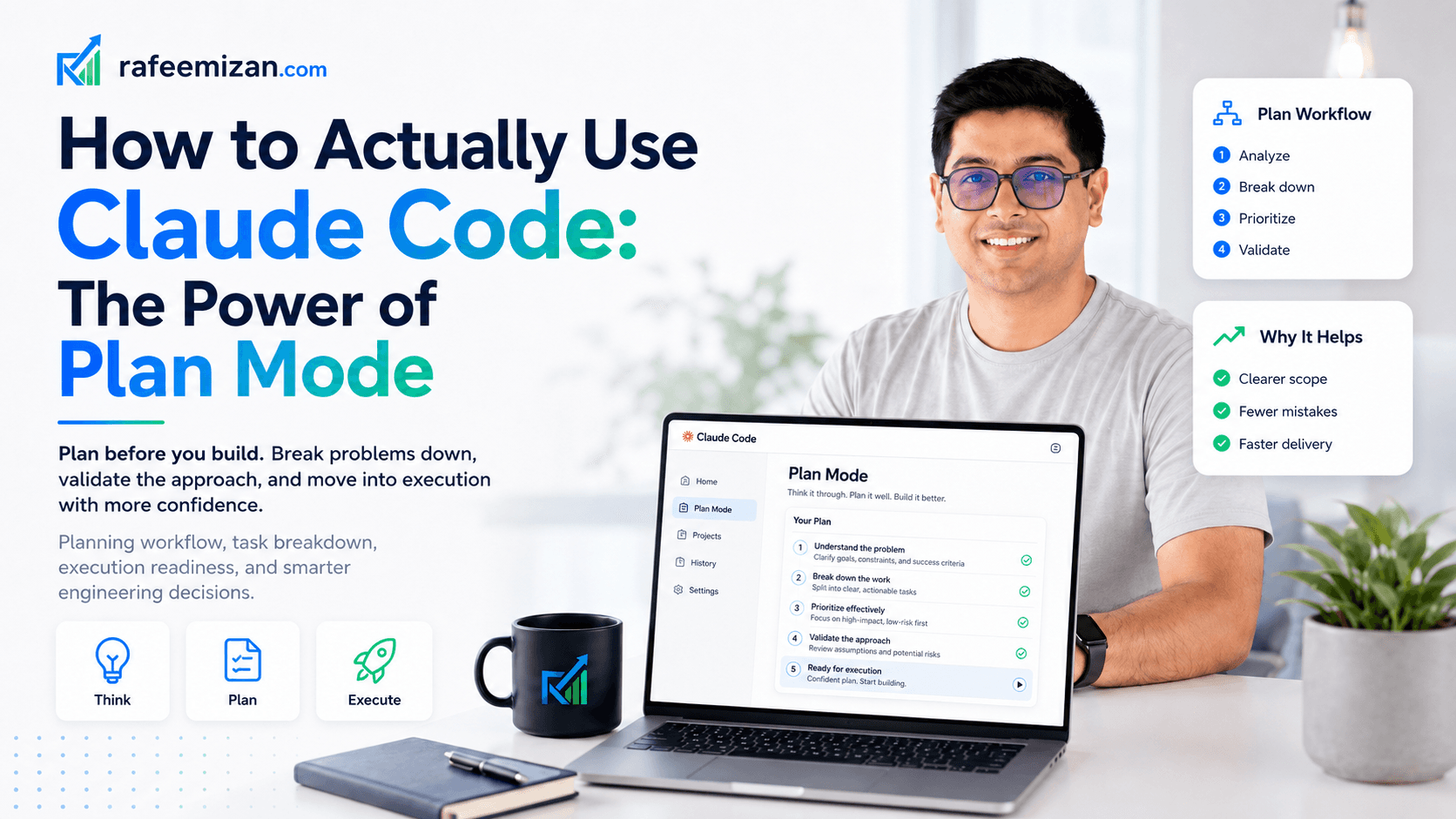
Plan Mode is a mode where Claude researches the codebase, asks you the questions it actually needs answered, and lays out an explicit plan before it touches a single file. You're not grading a finished diff anymore. You're reading and shaping a plan.
Why that flips the dynamic: a wrong assumption caught in a plan costs you a sentence to correct. The same wrong assumption baked into a finished implementation costs you a rewrite, or worse, a rewrite you don't notice you need until three files later. Plan Mode moves the moment you catch a bad assumption from expensive to cheap.
What this actually looks like. The plan names the files it's going to touch. It states the approach, the tradeoffs it's making, and where it's genuinely unsure it asks you directly instead of guessing and hoping. You get to answer those questions before they turn into code you have to unwind.
Say you ask it to add a booking feature. Without Plan Mode, you get a diff. Five files changed, a new auth check buried in the third one, an assumption about how sessions work that happens to be wrong for your setup. You find that out after it's already built, usually by testing it and watching it fail. With Plan Mode, that same assumption shows up as a line in the plan, or better, as a direct question: which auth approach should this use. You answer it once, in a sentence, before any code exists. That's the whole trade.
When is it worth reaching for. Anything non-trivial, ambiguous, or touching more than one file, yes. A one-line fix or a typo, no, plan mode has a real cost too, a round-trip before any code gets written, so don't force it everywhere.
Here's the part most people skip. They open plan mode, skim the plan, hit approve, and go back to the same passive habit that got them generic output in the first place. Reading the plan properly, and actually pushing back on it, is the real difference between directing Claude Code and just prompting it.
Output that looks like AI isn't a model problem. It's a process problem. And Plan Mode is the part of the process almost everyone skips.
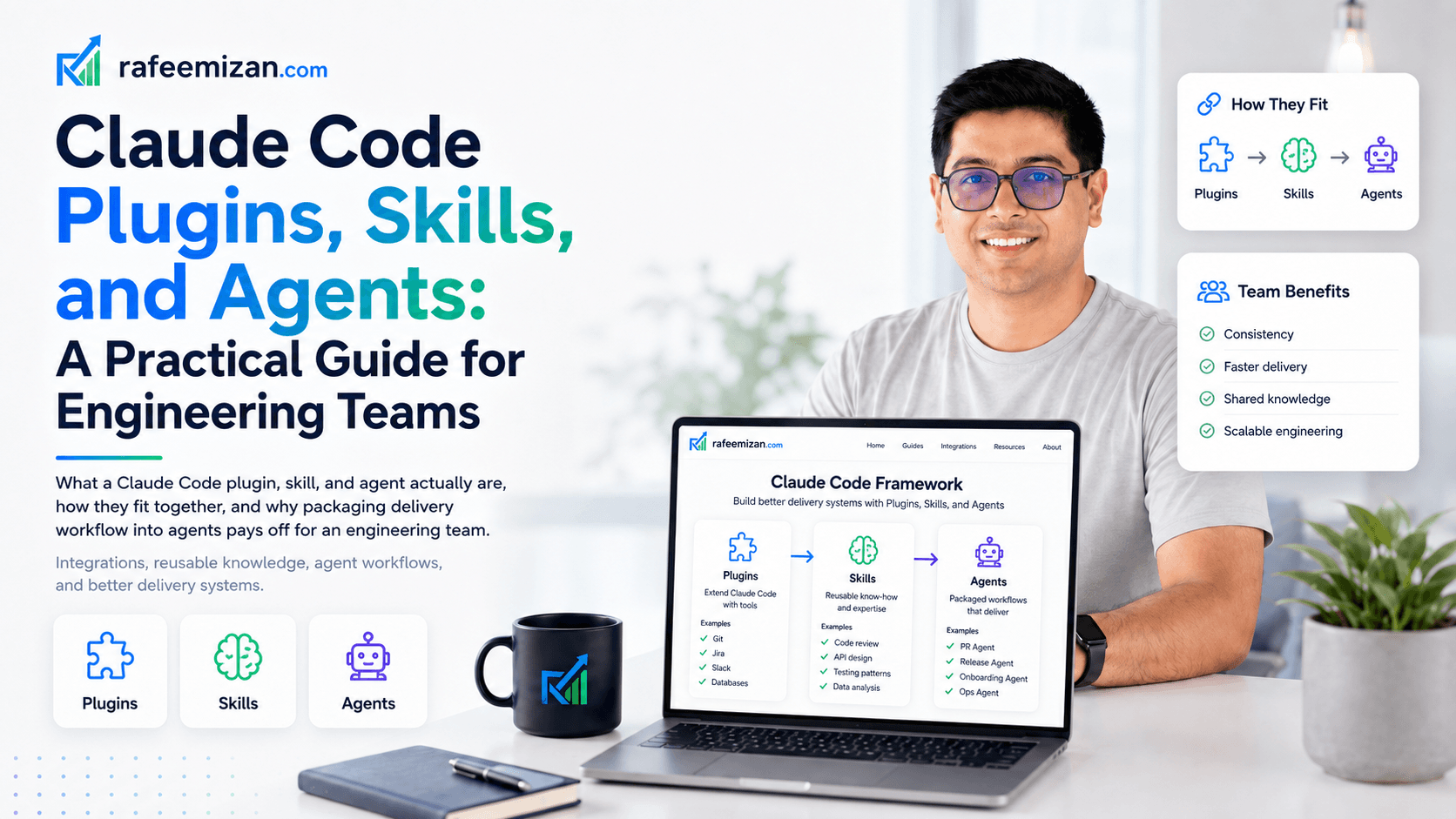
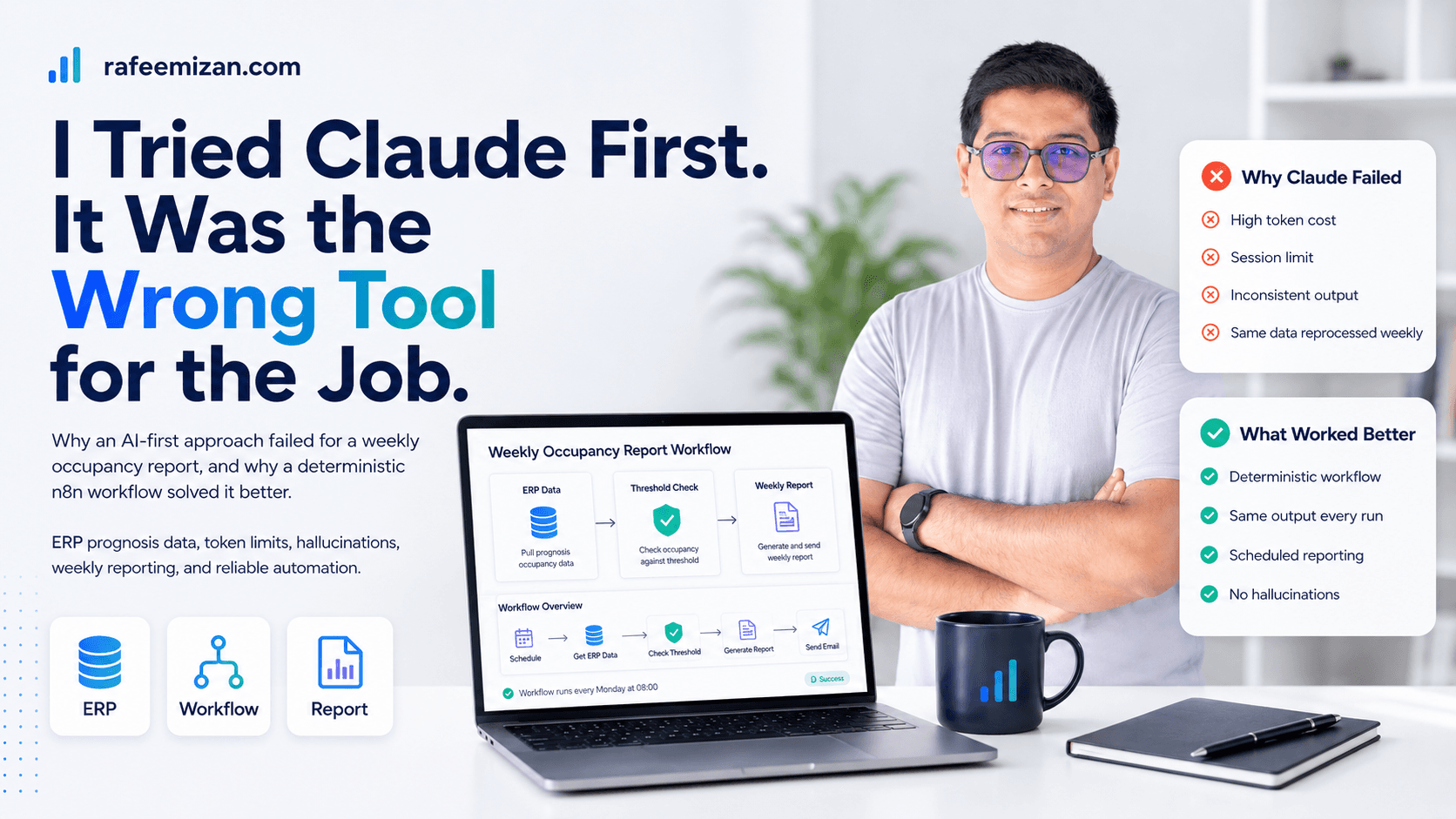
This discipline extends past a single feature. Claude Code Plugins, Skills, and Agents covers how the same idea, catching a bad assumption before it becomes code, scales into packaged skills and agents for a whole team. And I Tried Claude First. It Was the Wrong Tool for the Job. is what happens when that check gets skipped entirely and the wrong tool gets picked before anyone stops to plan.